I Diagnose Before I Quote
Every foundation is different, so you get a walkthrough before a number, not a driveway guess.
Straightforward radon mitigation for York County homeowners, installed right the first time, at a price you know before we drill.
From a first test to a stubborn old system, I help you understand what needs attention—and what doesn’t.
A clear reading, in the units EPA and PA DEP use.
Learn moreA straightforward swap when an existing system needs attention.
Learn moreConfirmation that your system is doing what it should.
Learn moreAn airtight cover that works alongside a mitigation system.
Learn moreKnow what you are dealing with before paying for remediation.
Learn moreA practical look at humidity, ventilation, and what you breathe.
Learn more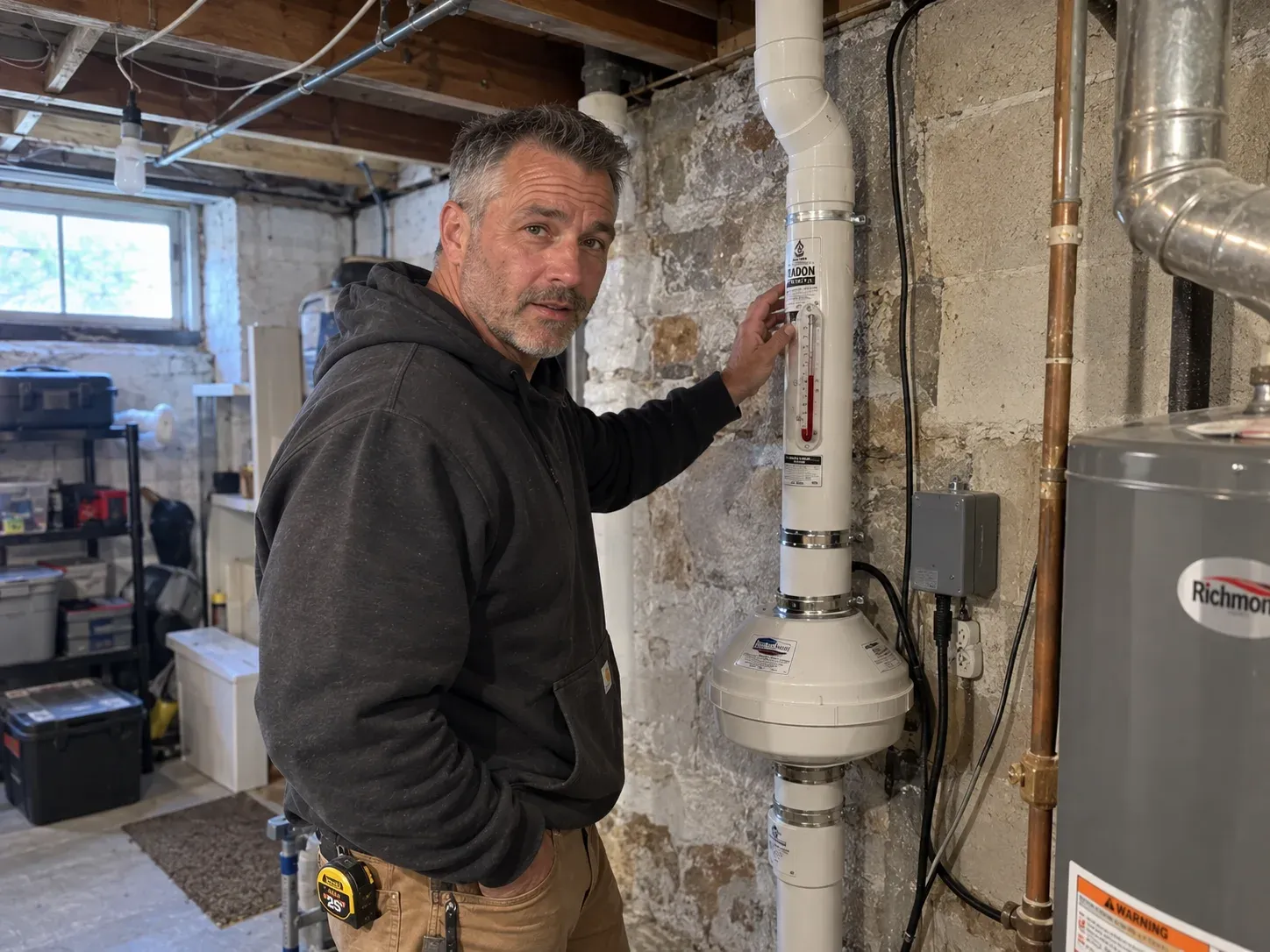
I'm Dan Jenkins. I spent years mitigating radon for homes across York County before going out on my own, and I built this business around the thing that used to frustrate me most in this industry: homeowners getting a number over the phone, then watching it grow once the crew shows up.
I've spent the last 30 years living between Bucks County and York County. Downtown York rowhomes on stone or rubble foundations, newer builds out toward Springettsbury and Spring Garden Township, older farmhouses with two or three foundation types under one roof—my crew and I have mitigated all of it.
Clear answers and careful work, from the first walkthrough through the final test.
Every foundation is different, so you get a walkthrough before a number, not a driveway guess.
If your existing system isn't working, I'll tell you why, not just sell you a new one.
Post-mitigation testing is included on every job, not an upsell.
And I clean up when I'm done.
Stone, hollow block, poured slab, crawl space—your house decides the plan, not a script.
I check your foundation type, slab cracks, control joints, open sumps, and crawl spaces.
We create the suction your foundation needs and make sure the vacuum reaches every section.
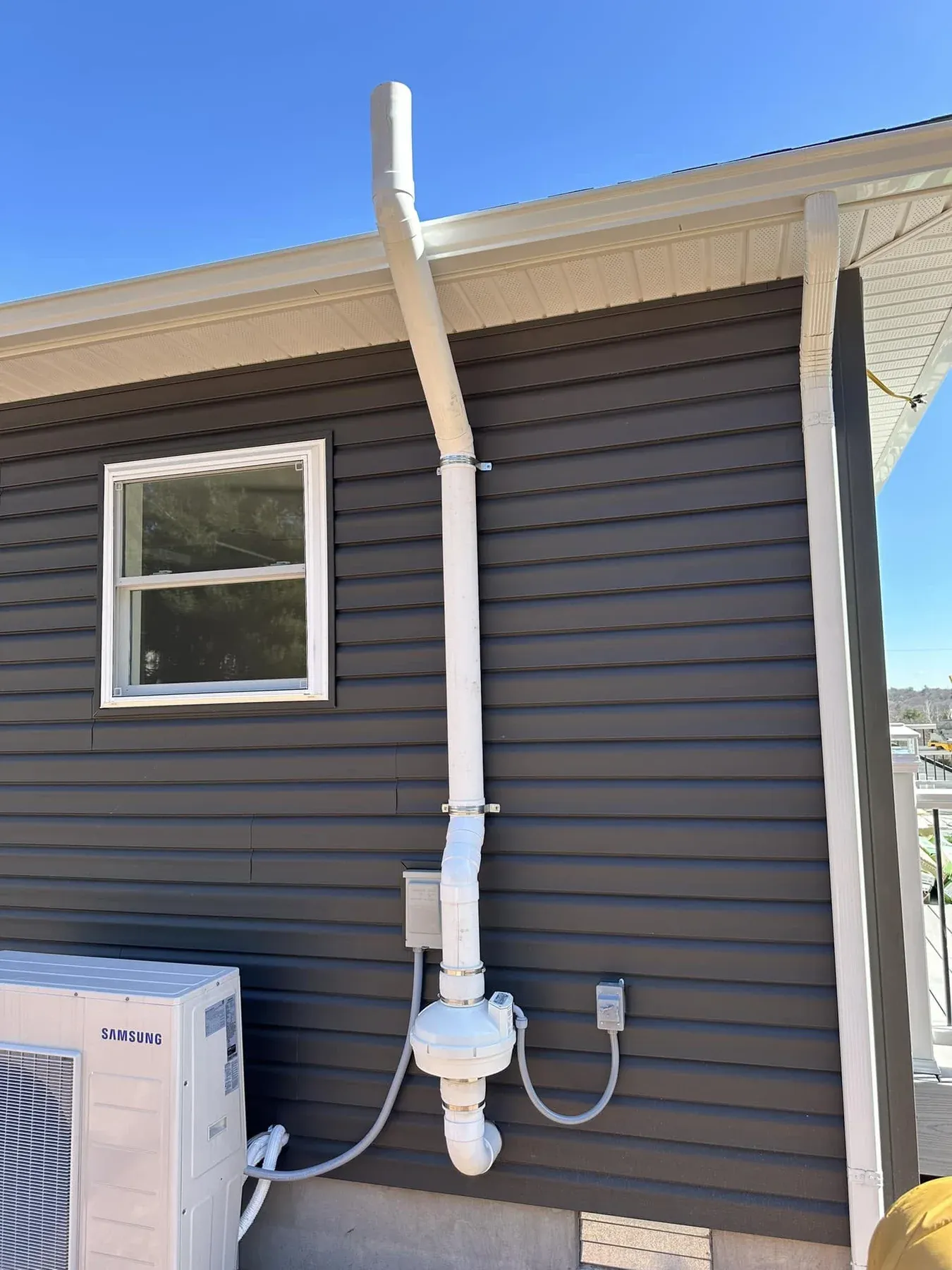
Schedule 40 PVC and a continuous fan pull soil gas out and vent it safely above the roofline.
Cracks, joints, and sump lids get sealed. Then I retest to confirm the level actually dropped.
“We had a radon test done when we were getting ready to finish our basement and the numbers came back a lot higher than we expected. Dan walked me through what needed to be done and where the system would go. Install was clean, they cleaned everything up when they were finished and our numbers dropped considerably. Very happy with the whole experience.”
Mark R.
“Dan and his crew were great. They installed a radon mitigation system and sealed our sump pit. I was worried about having a bunch of ugly piping running through the basement but they did a really nice job keeping everything tucked out of the way. Showed up on time, answered all my questions and the price was fair.”
Jessica H.
“We already had a radon system in the house but noticed our readings were starting to creep back up. Dan came out and figured out that the existing system wasn't doing what it should. He explained everything in plain English and got it taken care of without trying to sell us a whole new setup. Really appreciated that.”
Chris Miller
“Called after the inspection on the house we're buying showed elevated radon. We were on a pretty tight timeline because of closing and Dan was extremely helpful. He explained our options, got the system installed and made the entire process pretty painless. Communication was great and the finished install looks very clean.”
Amanda K.
Clean routing, careful placement, and a finished system that works with the house—not against it.
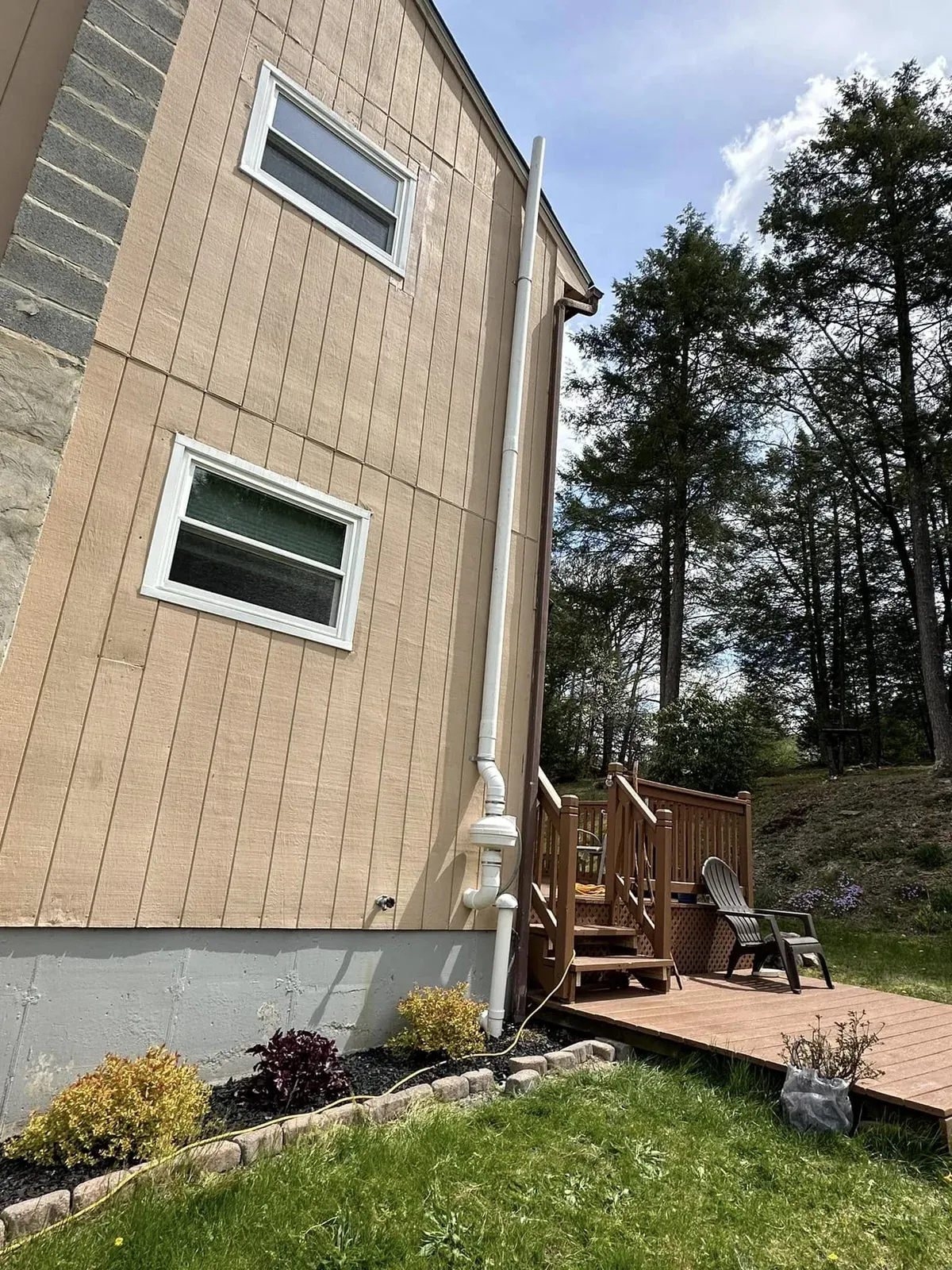
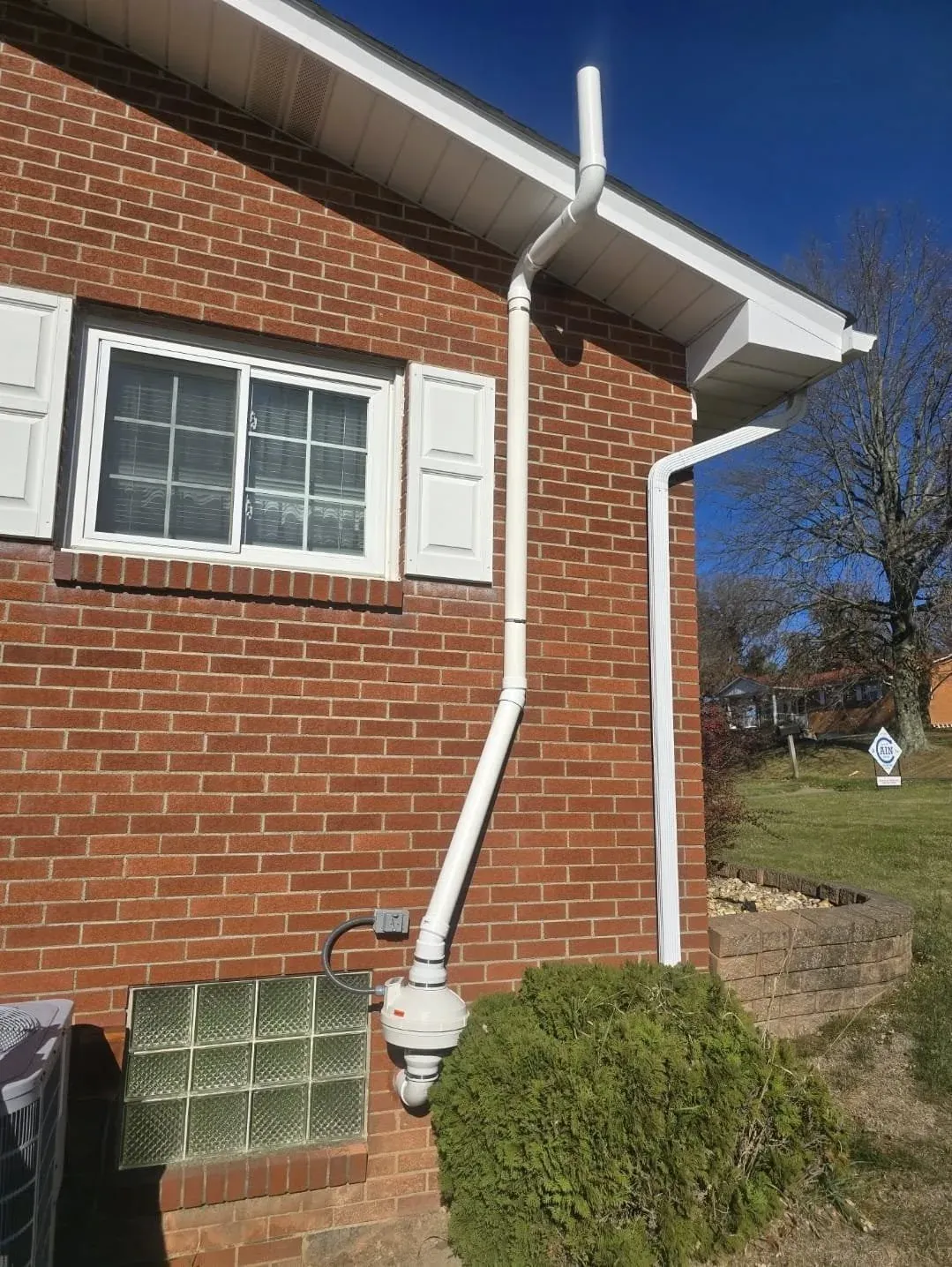
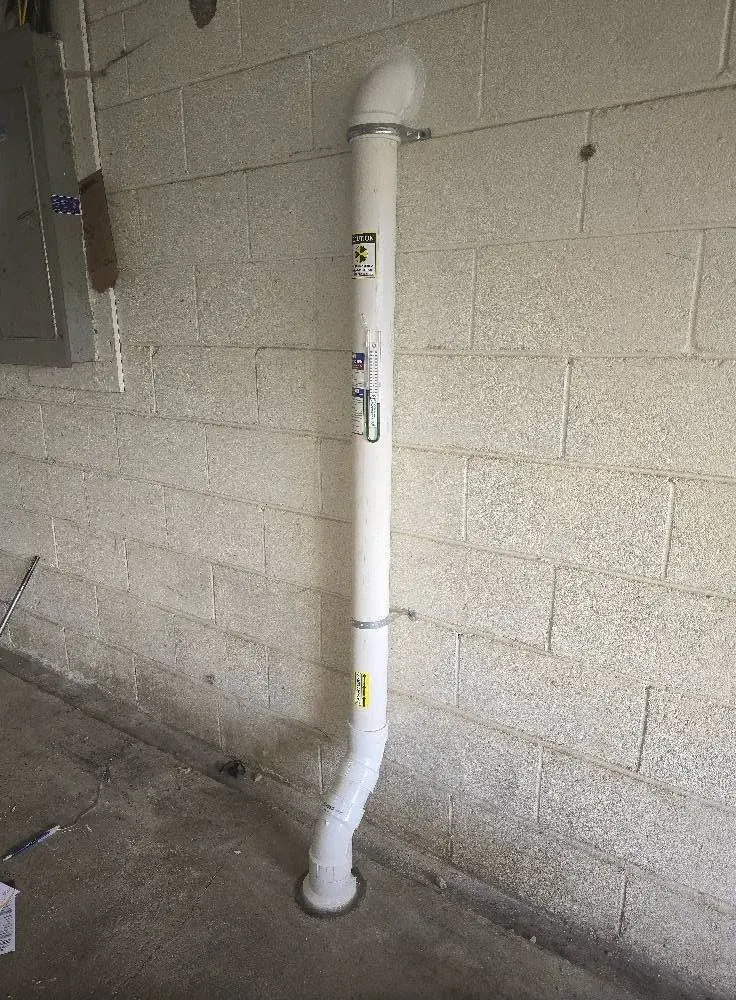
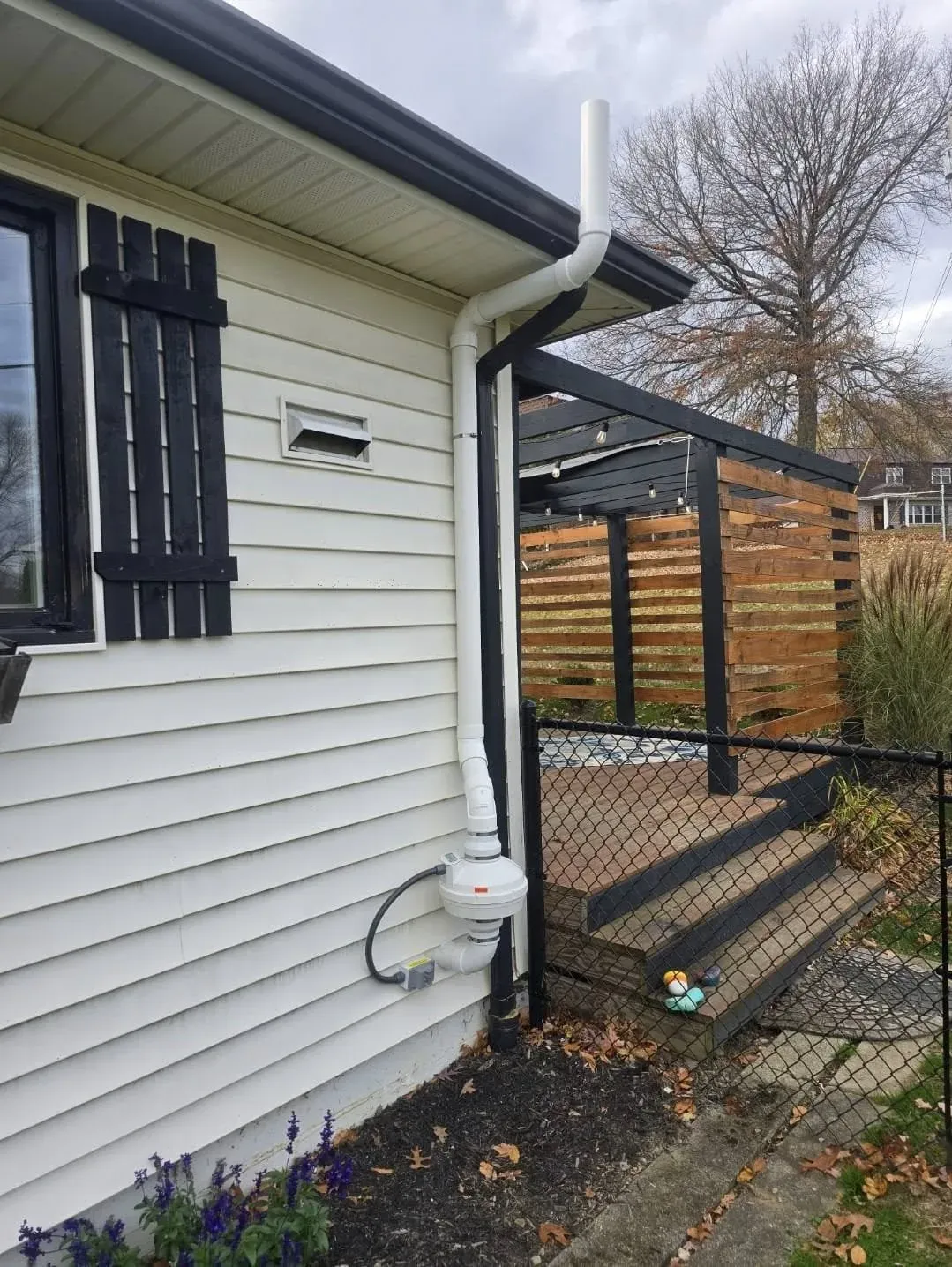
From downtown York rowhomes to newer construction out in the surrounding townships, I work all of it.
See the service areaRadon is a colorless, odorless radioactive gas that occurs naturally in the soil and rock under every home in Pennsylvania. It enters through foundation cracks, sump pits, hollow block walls, and crawl spaces, pulled inside by ordinary pressure differences between your basement and the outside air. You can't see it, smell it, or feel it. Testing is the only way to know it's there.
The Pennsylvania Department of Environmental Protection (DEP) recommends corrective action, mitigation, when a confirmed test result comes back at or above 4 pCi/L (picocuries per liter), the EPA's action level. DEP estimates that roughly 40% of tested homes in Pennsylvania exceed that number, and the EPA classifies York County as Zone 1, its highest radon-potential tier, meaning testing is worth doing here regardless of a home's age or foundation type. The U.S. Surgeon General and EPA have both stated that long-term radon exposure is the leading cause of lung cancer among non-smokers in the U.S. It's not an emergency in the sense of an immediate danger; it's a cumulative, long-term risk, which means there's no reason to panic, but every reason to fix it properly once you know it's there.
A test result is reported in picocuries per liter (pCi/L), and it's only useful if you know what to do with the number. Results shift a little with weather, ventilation, and the season, so treat one result as solid evidence, not a permanent score for the house.
| Result | What it means | What I'd do |
|---|---|---|
| Below 2 pCi/L | Lower exposure. No level is entirely risk-free, but this is a good result. | Nothing urgent. Retest every couple of years or after major foundation work. |
| 2 to 3.9 pCi/L | Below the EPA action level, but worth a look, especially with a finished basement, a bedroom down there, or young kids in the house. | Worth a conversation. I'll walk the house with you and talk through whether mitigation makes sense for how you actually use the space. |
| 4 pCi/L or higher | The EPA and PA DEP action level, the point where mitigation is recommended. | Time to mitigate. I'll walk the foundation and get you a written number. |
| Short-term test near 4 pCi/L | A single short-term result can be skewed by weather or how closed up the house was during the test. | Run a longer test, or a second short-term test, before deciding anything. |
A mitigation system is built around your specific foundation, not a script. This is called active soil depressurization (ASD): on a poured basement slab it's usually sub-slab depressurization (SSD); on a dirt crawl space it's sub-membrane depressurization, which requires a sealed vapor membrane before the system can do its job. Here's what that looks like on most York County homes:
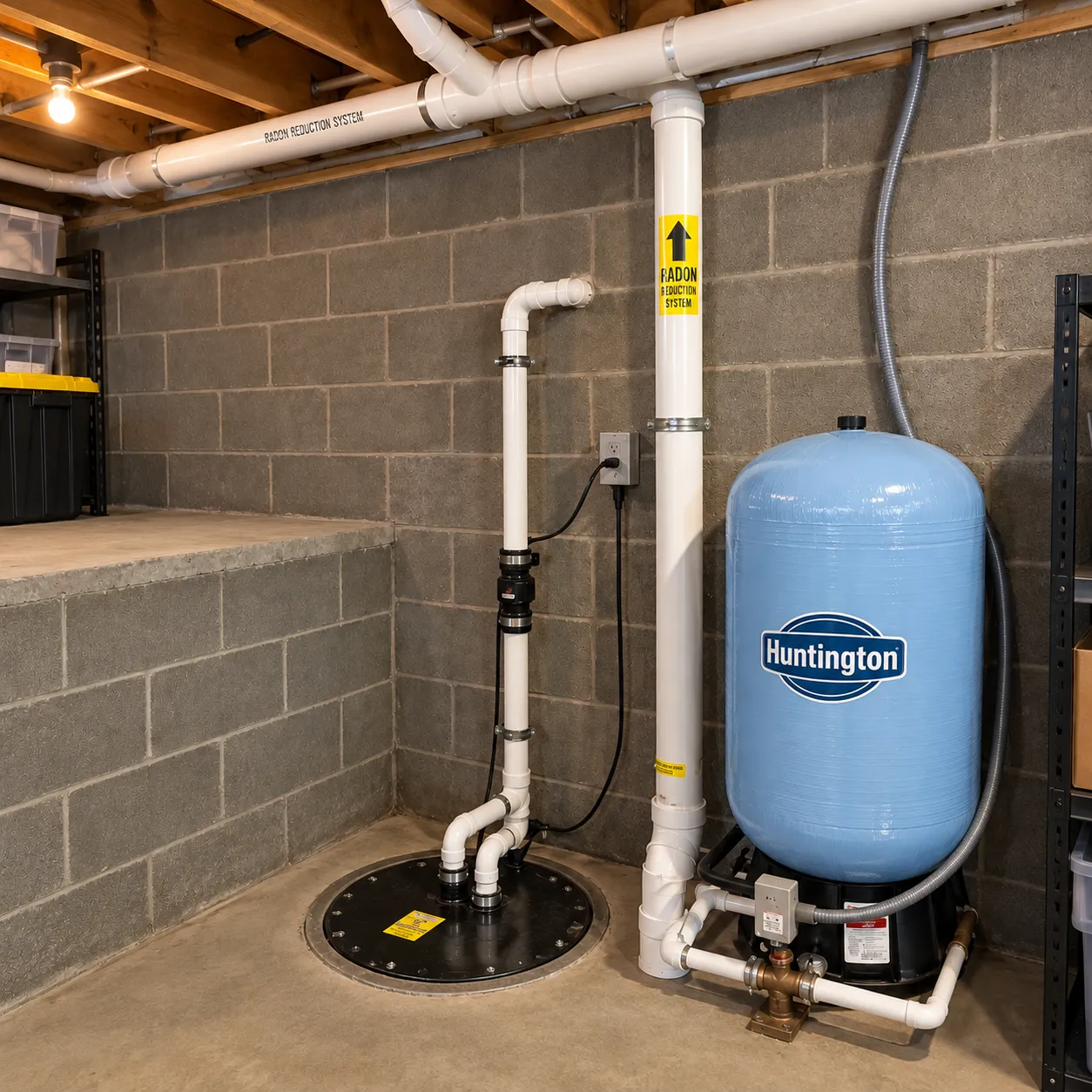
I check your foundation type, look for slab cracks and control joints, and open sump pits and crawl spaces to see how radon is entering your house.
One or more suction points get cut through your slab, or into a sealed crawl space membrane, so the vacuum reaches the whole slab, not just the spot near the pipe.
Schedule 40 PVC pipe runs from the suction point out through the roofline, routed carefully so it stays out of your way and out of sight wherever that's possible.
A radon mitigation fan runs continuously, day and night, pulling soil gas from under your home and venting it safely above the roofline, away from windows and doors.
Slab cracks, control joints, and sump lids all get sealed airtight with a compatible sealant, so the system isn't fighting leaks it doesn't actually need to fight.
A U-tube manometer, a clear tube with colored fluid, gets mounted on the pipe so you can see at a glance the system is pulling vacuum and still running.
I retest the house after the system has run at least 24 hours, per DEP protocol, to confirm your radon level actually dropped below the action level.
Houses with a single, clean poured slab usually need one suction point. Stone or rubble foundations (common in older York homes), hollow block walls, additions with their own foundation, or a basement-plus-crawl-space combination usually need more. That's diagnosed at the walkthrough, not guessed at over the phone.
Full breakdown of testing methods on the Services page.
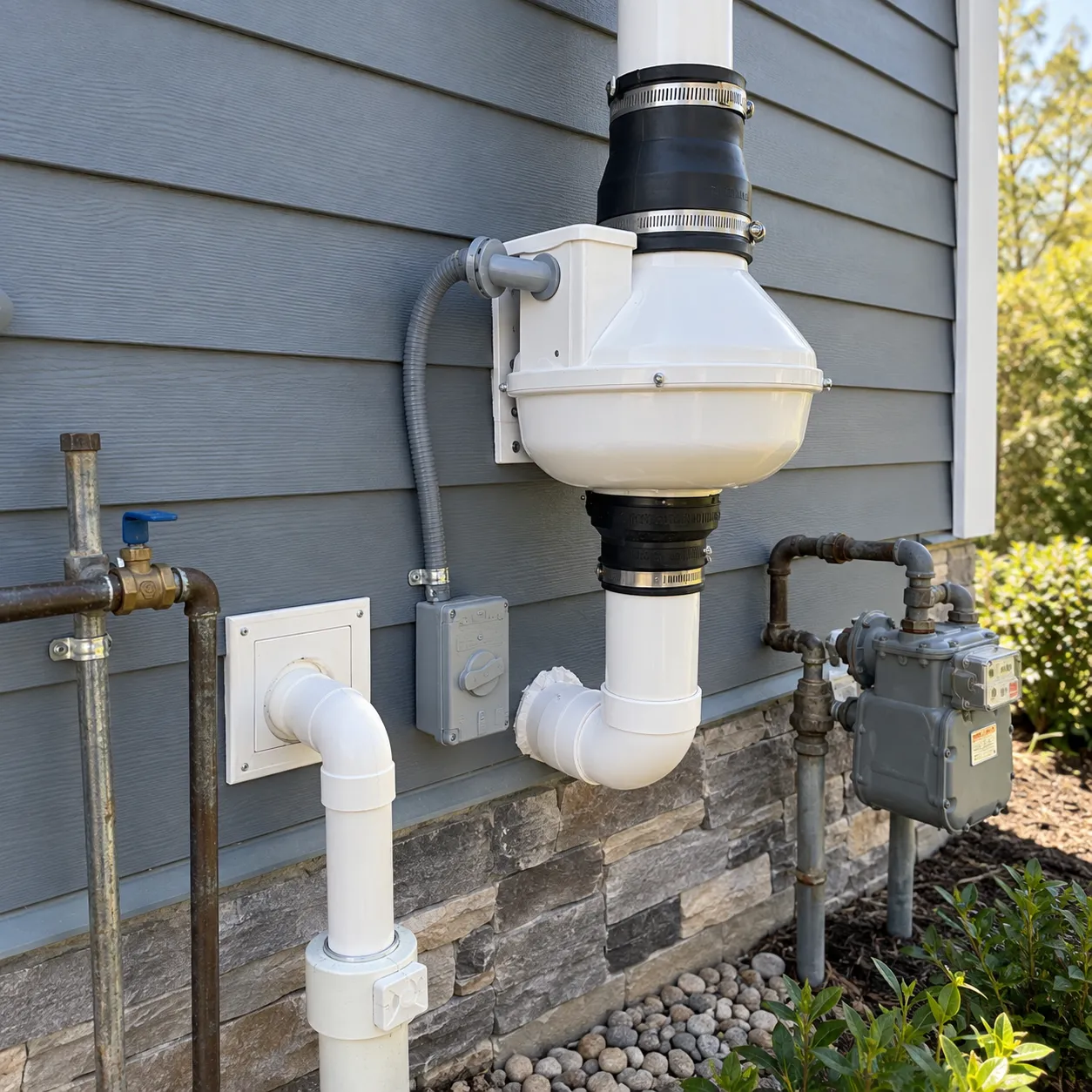
Radon mitigation in this state isn't just good practice, it follows specific PA DEP installation standards. Before a bid goes out, the foundation gets a full visual inspection: slab cracks, exposed earth in crawl spaces, open sump pits. Any sump pit that could let soil gas or conditioned air into the system has to be sealed with a radon-resistant cover. Every opening around a vent pipe penetration, at the floor-wall joint, or at a slab crack or control joint has to be sealed airtight with a compatible caulk or sealant. Floor drains and condensation drains that run into the soil beneath the slab need a radon-resistant drain fitted. I build every quote around these standards, not around whatever's fastest to install.
A complete quote should cover, in writing, before I touch your basement:
Not a base price with a list of extras that shows up on installation day. Ask any contractor directly whether the price can change once work starts, and what happens if the post-mitigation test comes back above 4.0 pCi/L.
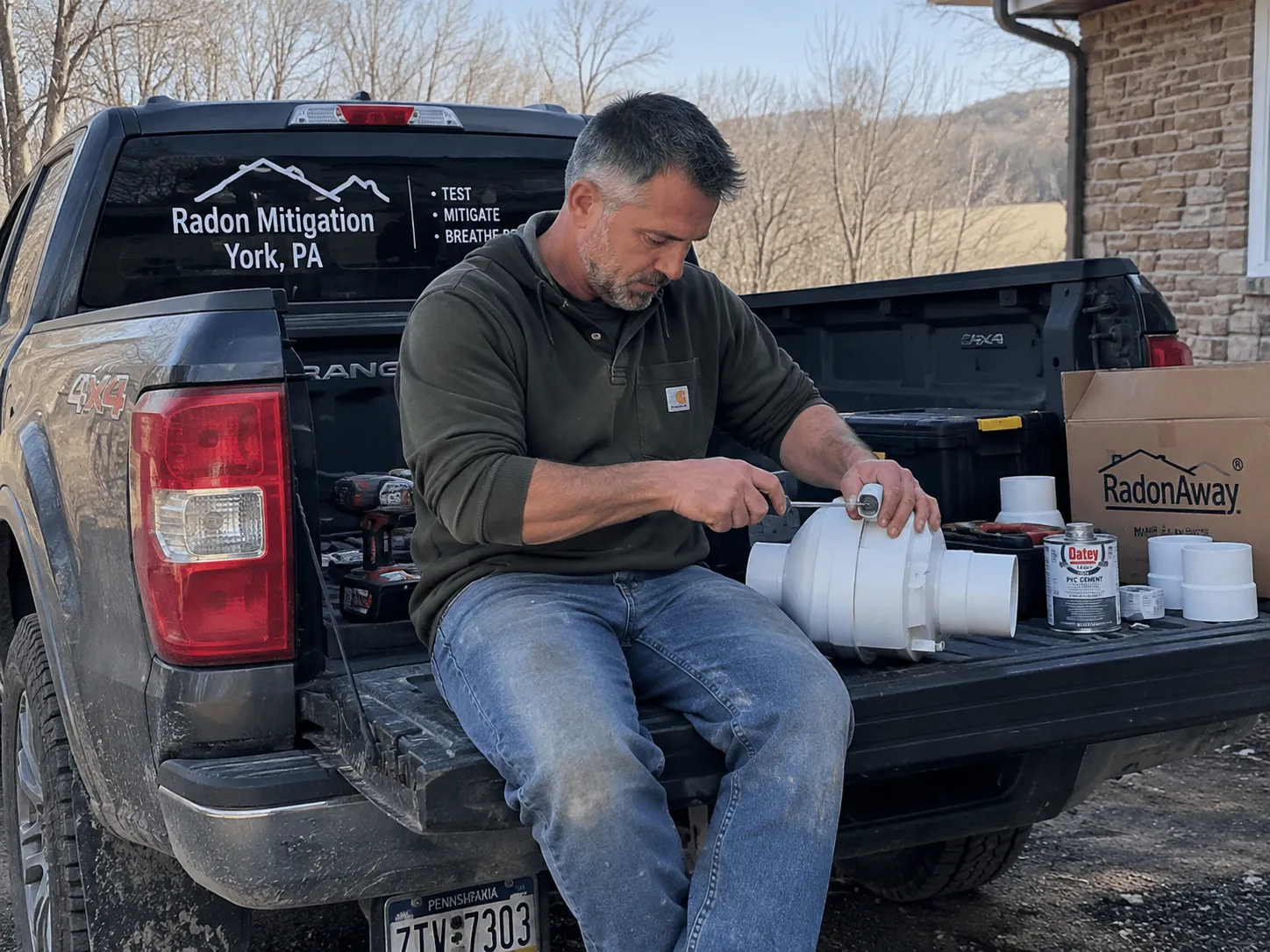
If your existing mitigation system is loud, silent when it used to hum, or your radon levels are back up even with the fan running, it's usually one of three things: a failed fan, a system that was never designed to reach your full foundation, or a change to your home (basement waterproofing, a French drain, a finished basement, an addition) that altered how air moves under the slab. I handle fan replacement and repair, system repair, and post-mitigation retesting, not just new installs.
See Radon Testing, Sump Pit Sealing, Mold Testing, and Indoor Air Quality on the Services page.
No panic, no jargon. Just the things homeowners usually want to know before they decide what to do.
4 pCi/L is the EPA and PA DEP action level, the point where they recommend mitigation, not a hard line between safe and unsafe. Risk increases with both concentration and how long you’re exposed. A confirmed result at or above 4 pCi/L is worth fixing; higher numbers or heavy time spent in the affected space make it more urgent.
That's below the EPA action level, so mitigation isn't automatically recommended, but it's still worth a conversation, especially if you've got a finished basement, a bedroom down there, or young kids spending time in the space. I'll walk the house with you and talk through whether it makes sense for how you actually live in it.
Temporarily, yes, but it doesn't fix the underlying entry pathway, and levels typically rebound once the house is closed up again. It's not a substitute for mitigation, especially heading into a York County winter when windows stay shut for months.
Not the radon level itself, but it increases your exposure, because you're likely to spend more time down there. A bedroom, office, or playroom means hours of exposure a day instead of occasional trips to do laundry.
An open or poorly sealed sump pit is a common radon entry point, not a cause, but a sealed, integrated sump cover can sometimes serve as part of the suction system. Whether yours works for that depends on your foundation, which we check during the walkthrough.
Yes. Radon moves through the microscopic pores in concrete itself, not just visible cracks, which is why sealing alone rarely solves an elevated reading without an active system pulling vacuum beneath the slab.
Yes. House age doesn't determine radon risk; it's about the soil and rock underneath, not the building's age. Some newer homes have a passive radon pipe installed by the builder that can sometimes be activated with a fan; other times it's capped off inside a wall or has no stone base beneath the slab, and the job is more involved.
Heavy rain and saturated soil change how radon moves through the ground, and cold weather closes up the house and increases the stack effect that draws basement air, and the radon in it, upward into your living space. Short-term spikes during weather events are normal; what matters is the longer-term average.